Insta360 Ace Pro 2 - Unsponsored: What I Didn't Get to Say
A little while back, I put out a long-form YouTube video with Insta360 reviewing the Ace Pro 2, along with their flash print bundle, focused on using it as a photography first camera. It was a fun video to make, and everything I said in it was true. But if I'm being honest with you, it was also sugar coated. Nobody told me what I couldn't say. It wasn't that kind of restriction. But when a brand sends you a camera and asks for a video, there's a natural pull toward "here's what's good about this" instead of "here's what I actually think." I gave real opinions in that video. I just wasn't fully blunt about it.
This is the blunt version.
One quick note before I get into it: this isn't a full spec-by-spec technical review. You can find every number on this camera on Insta360's own site or on a dozen other tech review sites that go far deeper into the numbers than I plan to here. What I'm giving you instead is the lived experience of actually shooting with it. But since a few high level specs are genuinely useful context, here's a quick reference table before I get into how it actually performed for me.
Insta360 Ace Pro 2 — Key Specs
| Sensor | 1/1.3" (50MP), Leica SUMMARIT lens |
| Aperture | f/2.6 |
| Max video resolution | 8K at 30fps |
| Other video modes | 4K up to 120fps, 2.7K up to 120fps, 1080p up to 240fps |
| Dynamic range | 13.5 stops |
| Low light mode | PureVideo, up to 4K60fps |
| Screen | 2.5" flip touchscreen |
| Waterproof rating | Up to 39ft (12m) out of the box |
| Weight | Approx. 6.4–6.5oz (182–184g) |
| Battery life (approx.) | ~1.5–2 hrs in 4K, ~50–60 min in 8K |
| Fast charging | 80% in 18 minutes |
US Pricing
Accurate as of publishing, but prices are subject to change and occasional sales.
| Item | Price |
|---|---|
| Ace Pro 2, Standard Bundle | $389.99 |
| Ace Pro 2, Flash Print Bundle (camera + Pocket Printer + accessories) | $579.99 |
| Photo Paper Cartridge refill (10 sheets) | ~$10 per pack |
For reference, the Flash Print Bundle I used for this review includes the camera, the Xplorer Grip Pro Kit, the Pocket Printer, a flip screen hood, and a leather case on top of the standard accessories. If you just want the camera without the printer setup, the Standard Bundle is the one to look at.
Alright, on to how it actually held up.
current Setup
For context on where I'm coming from: my main cameras are a Leica M10 for photography and a Lumix S9 for video. So everything below is filtered through someone used to full-frame image quality, not someone coming from a phone camera or a GoPro. That matters, and I'll get into why.
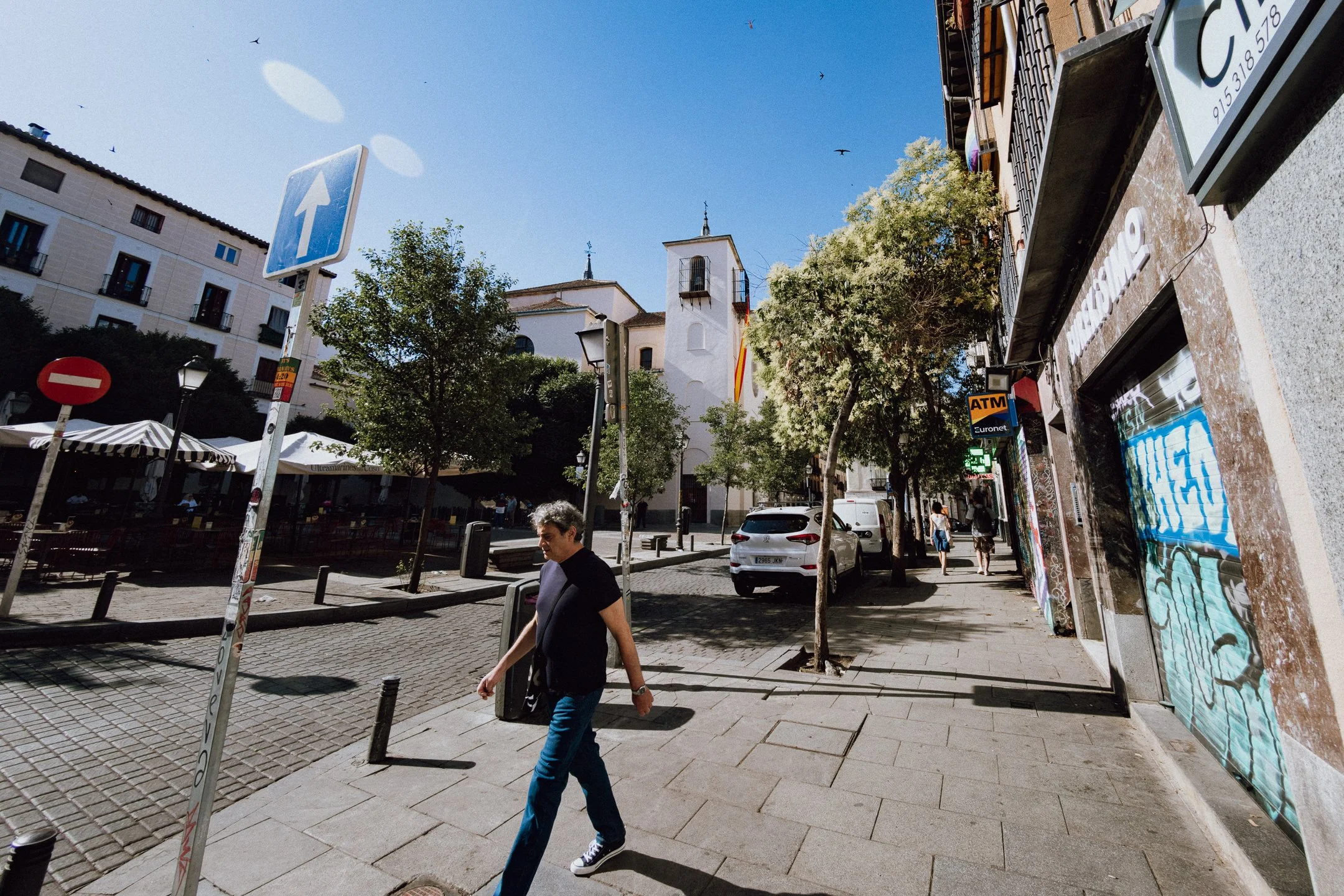
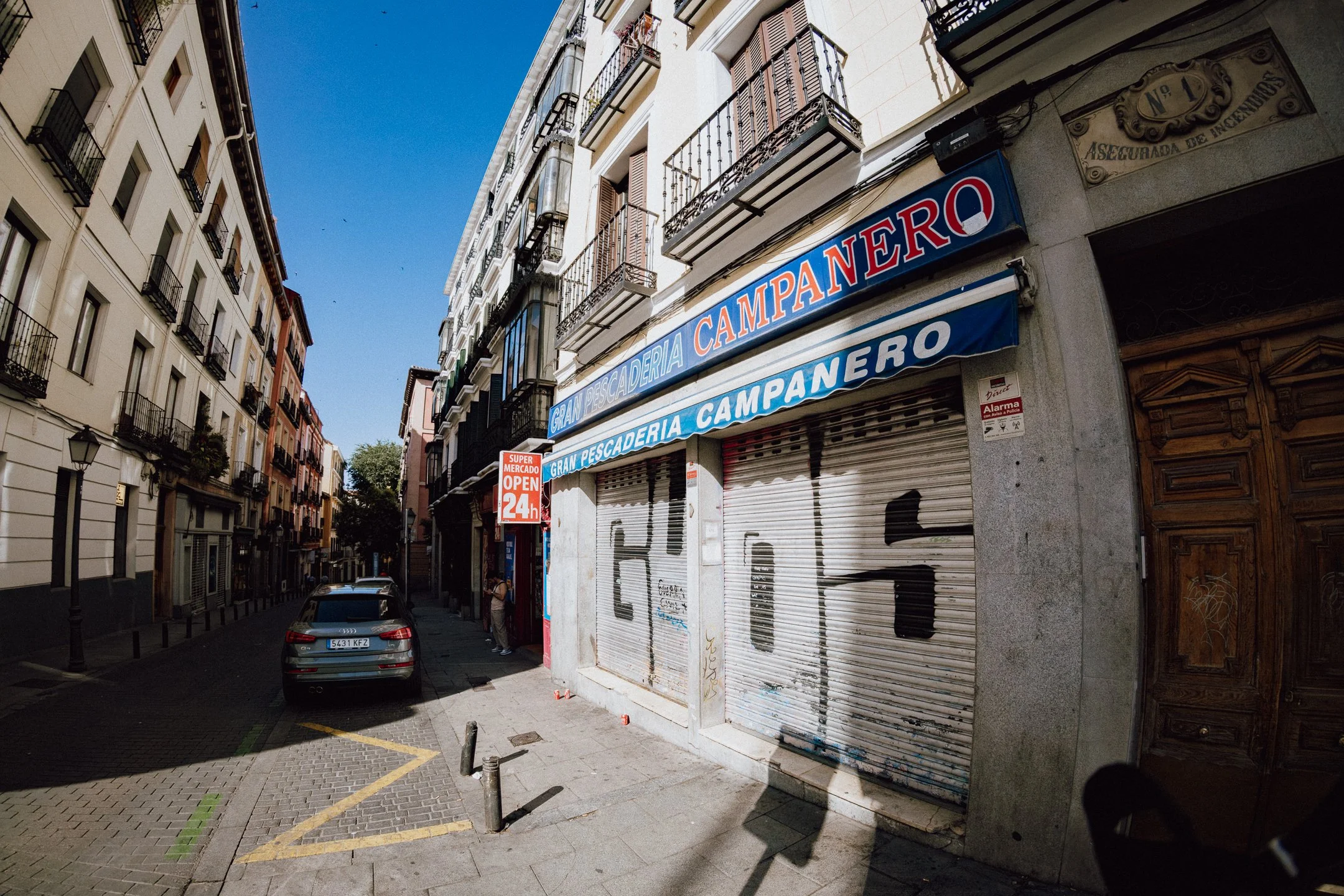
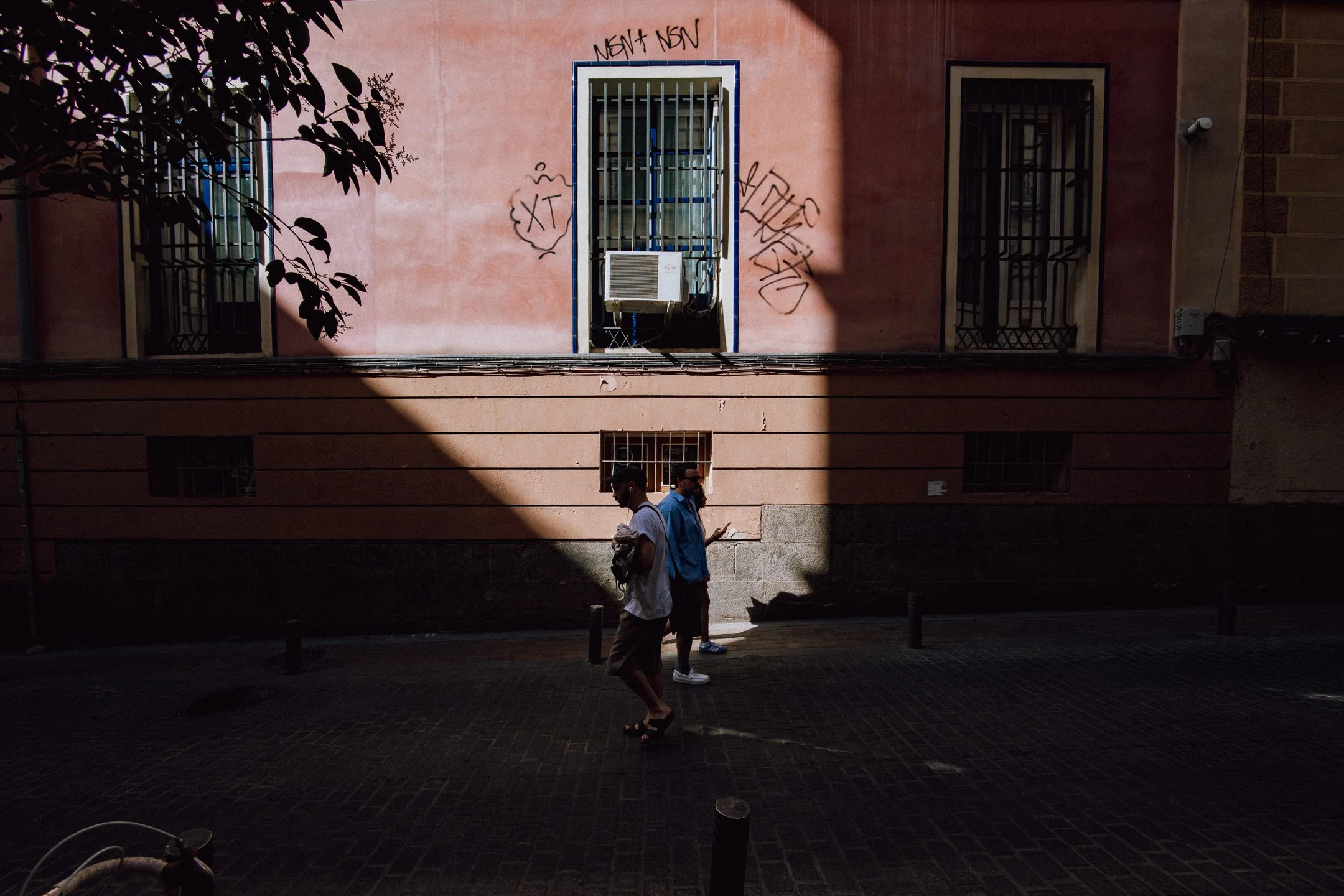
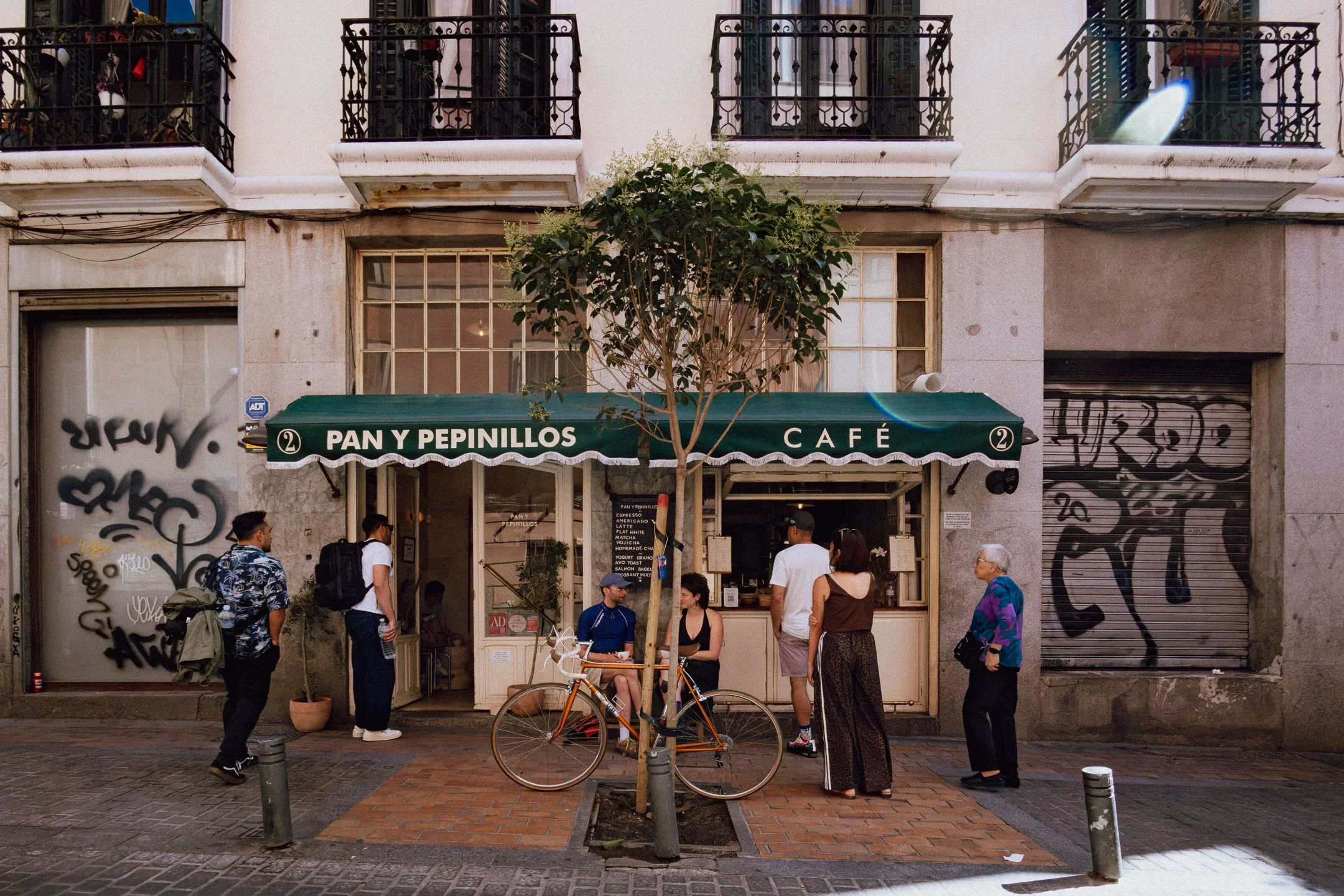
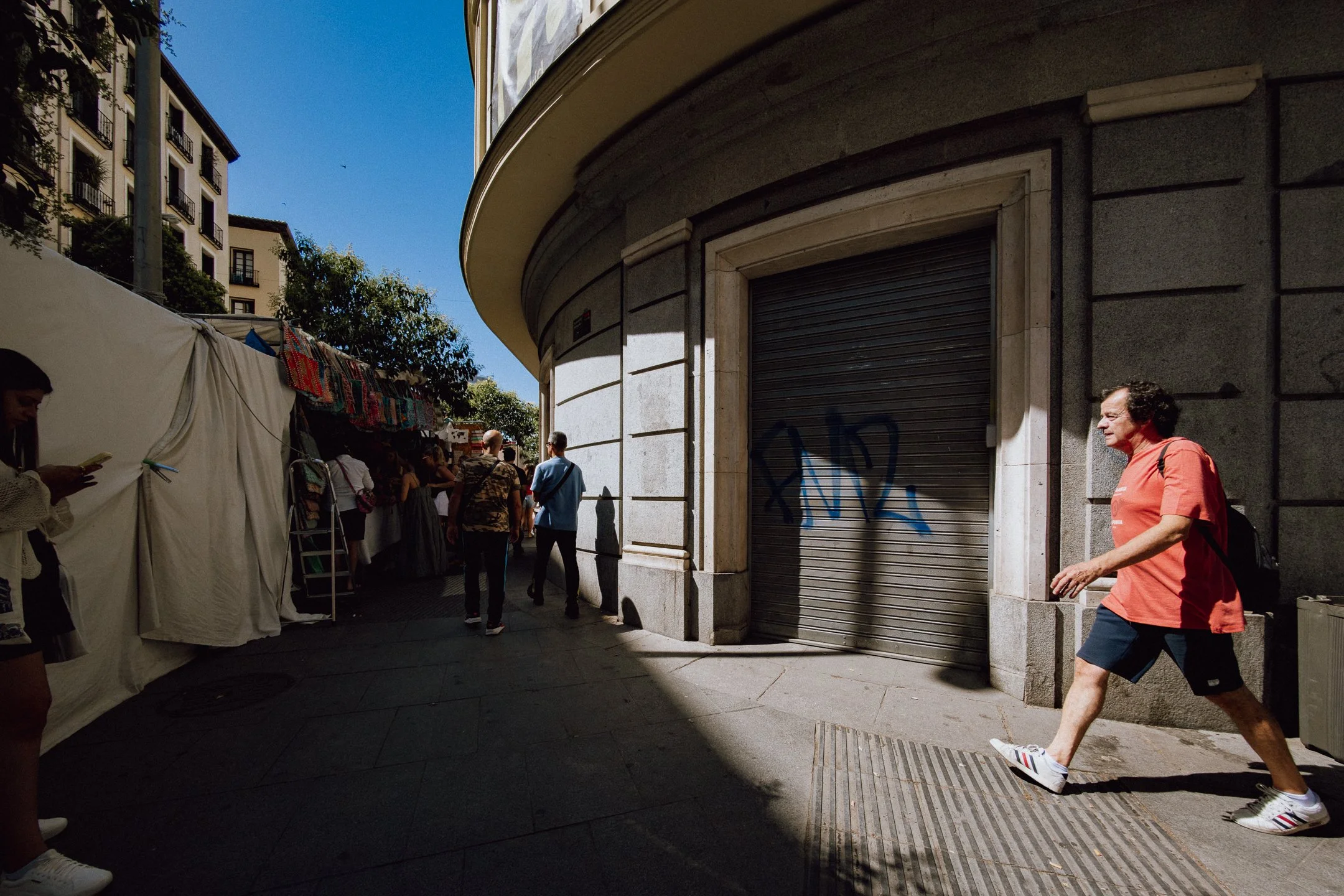
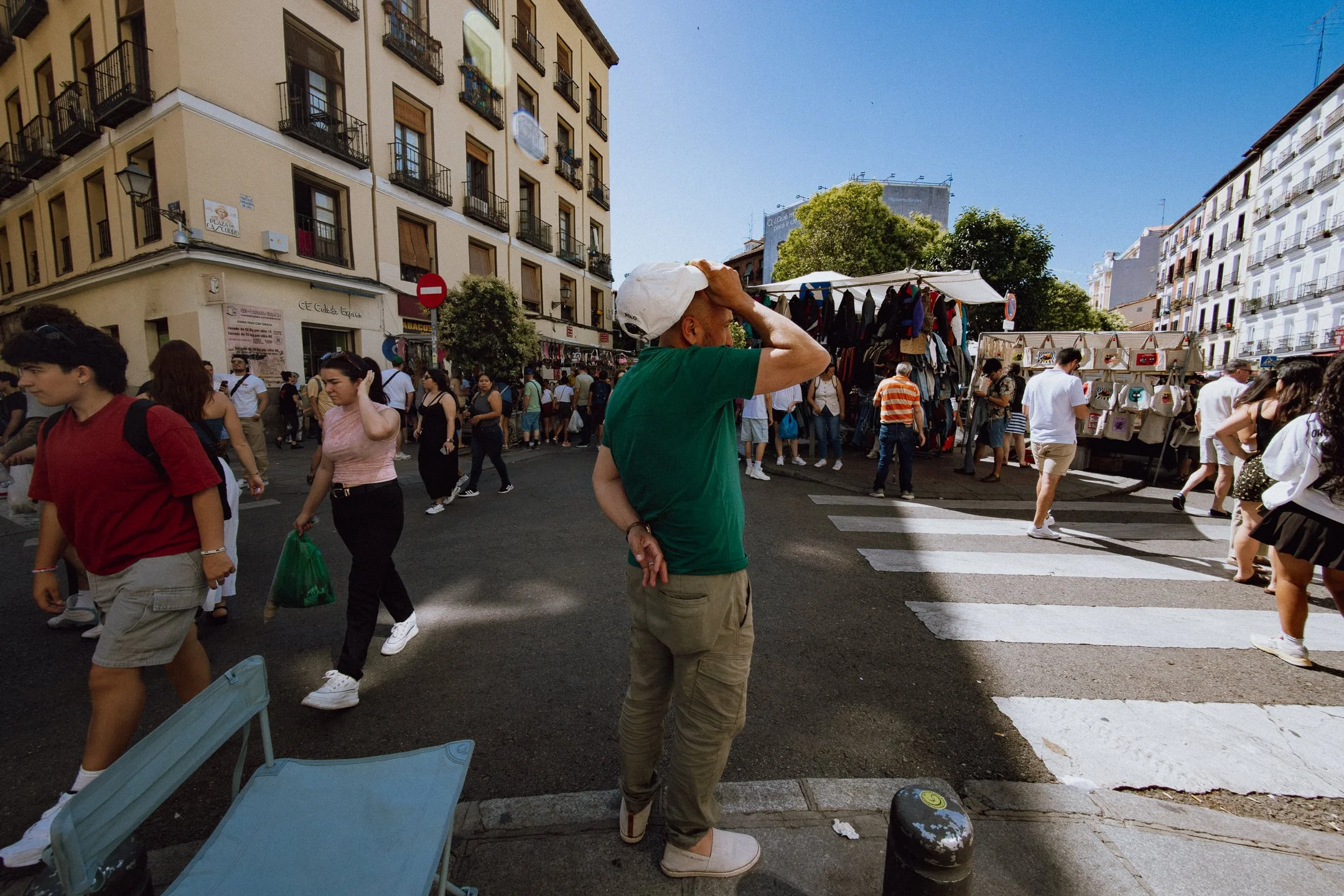
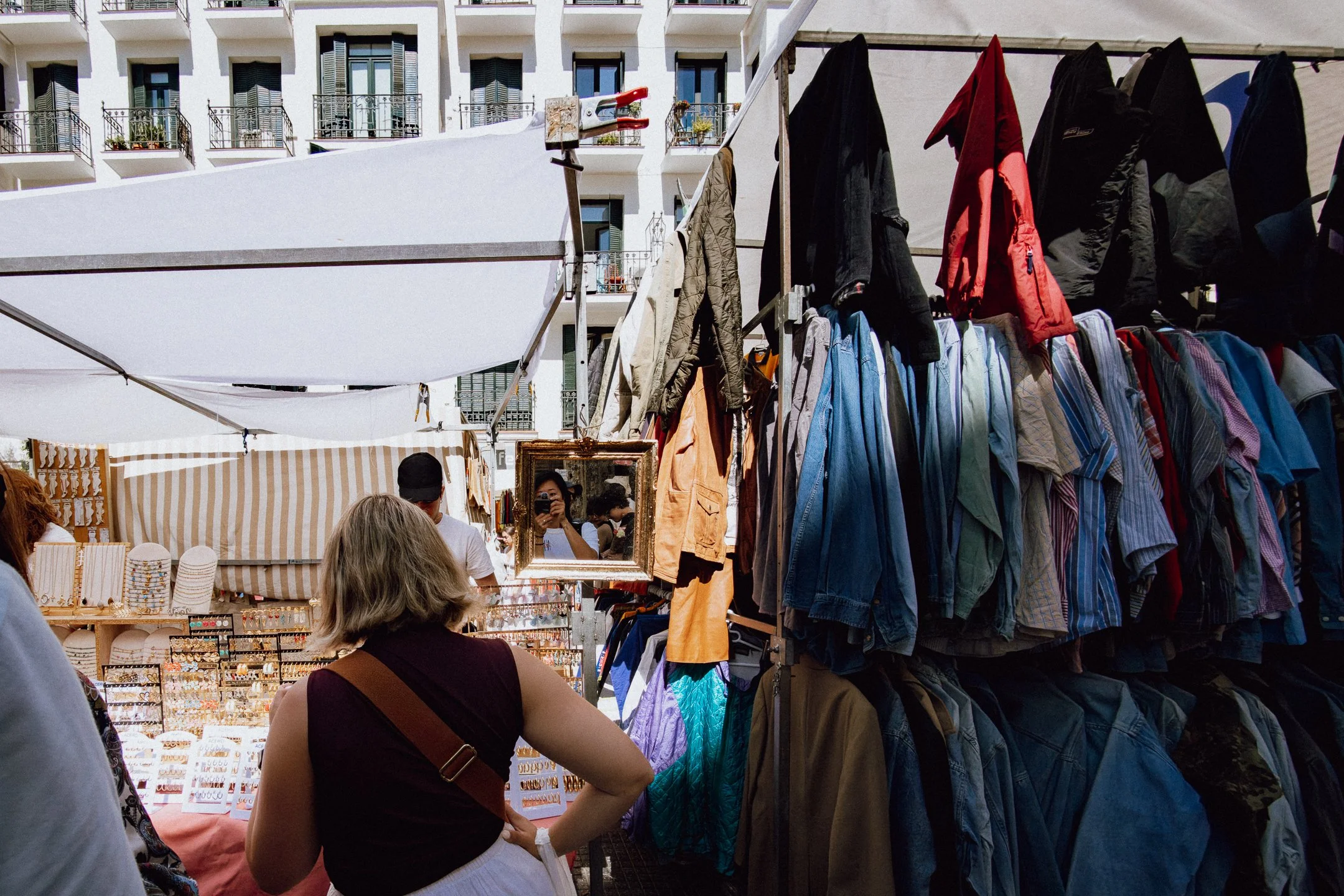
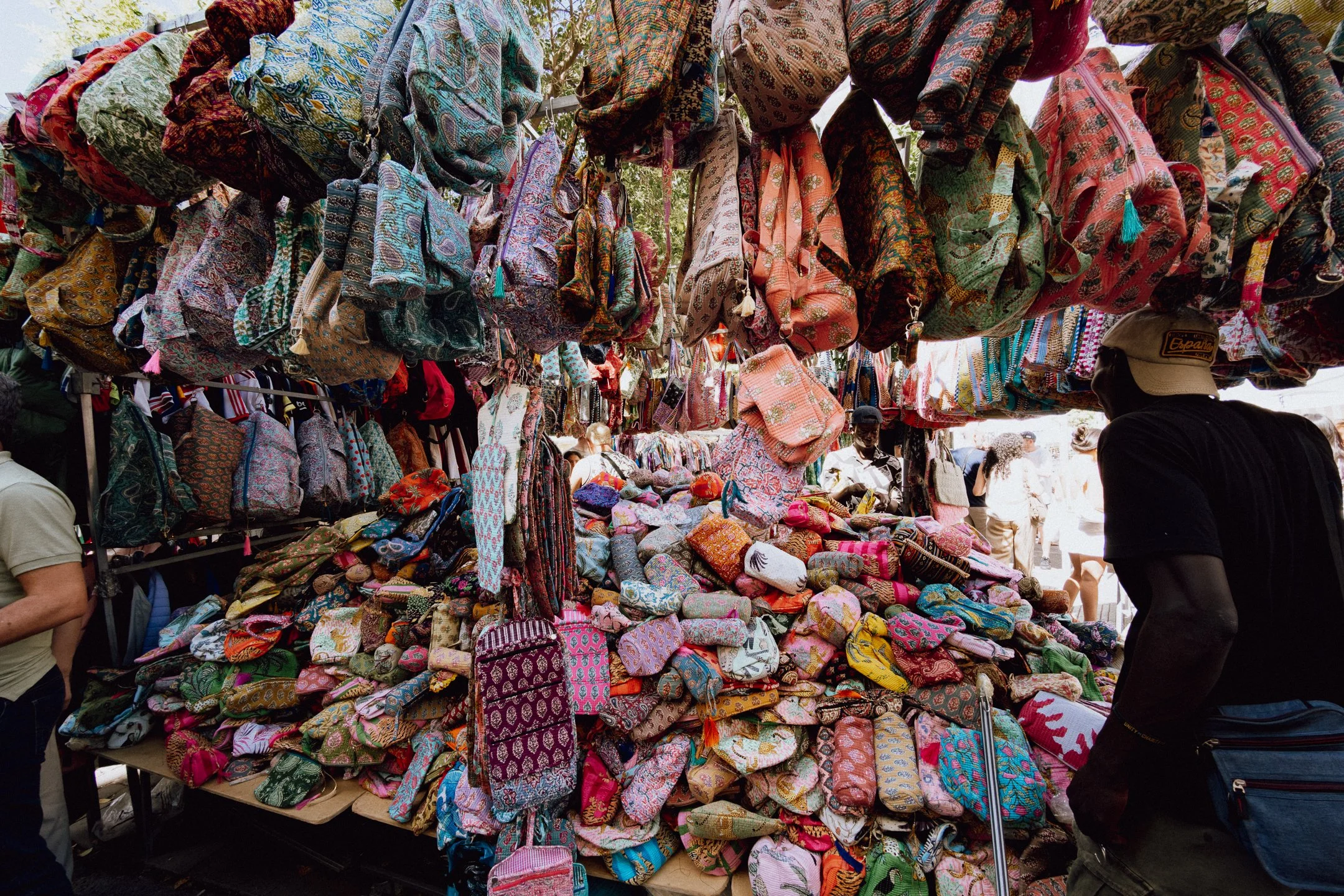
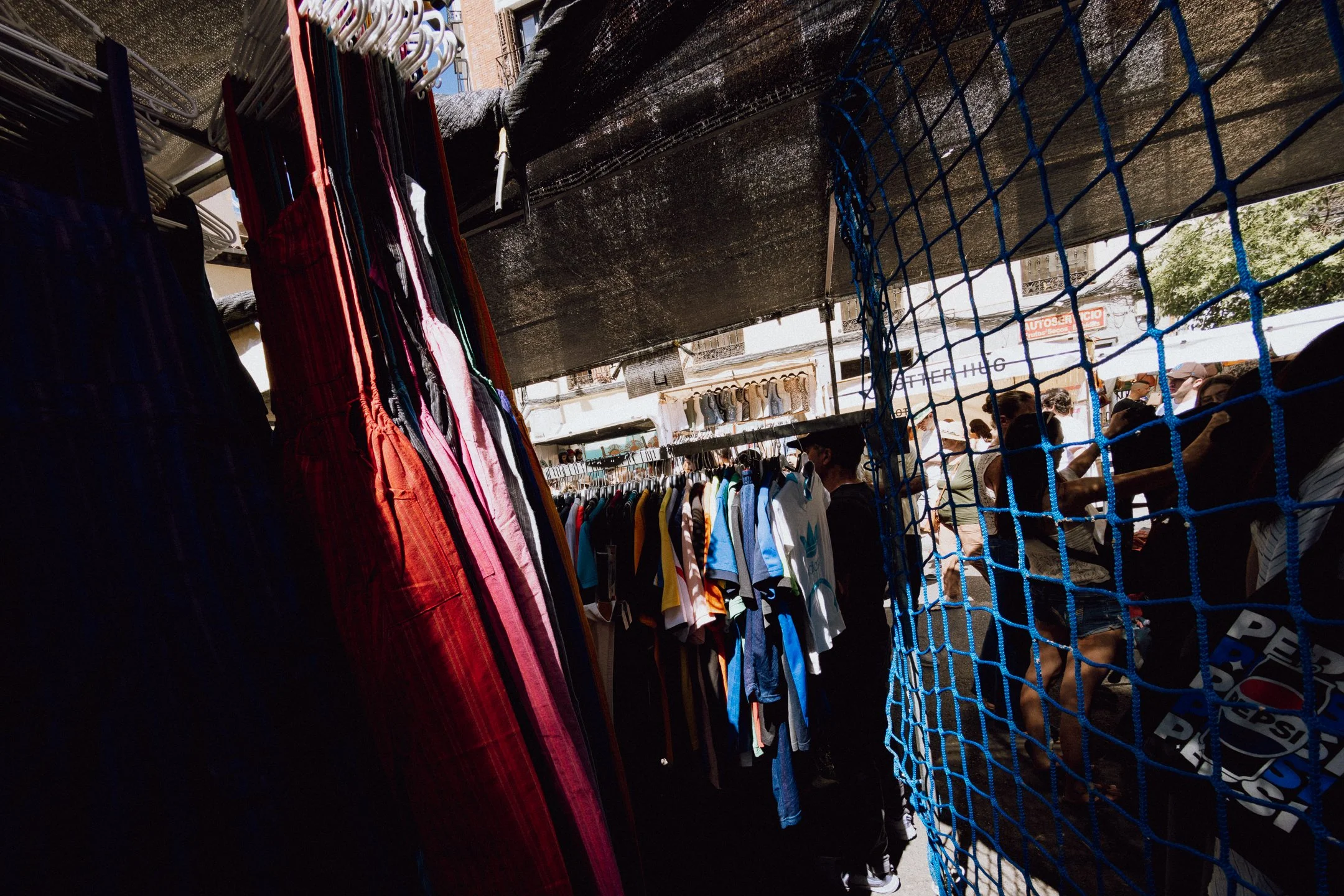
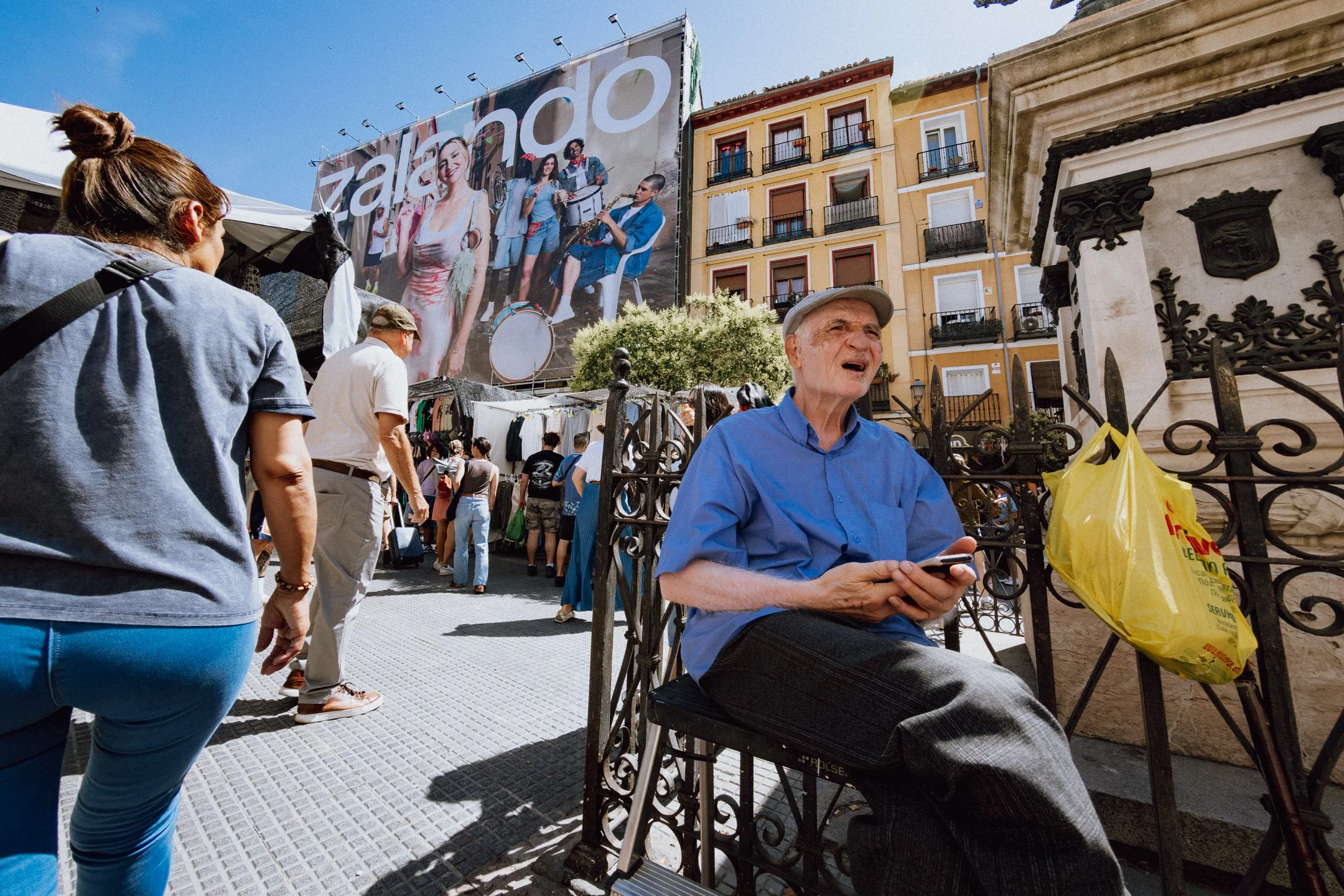
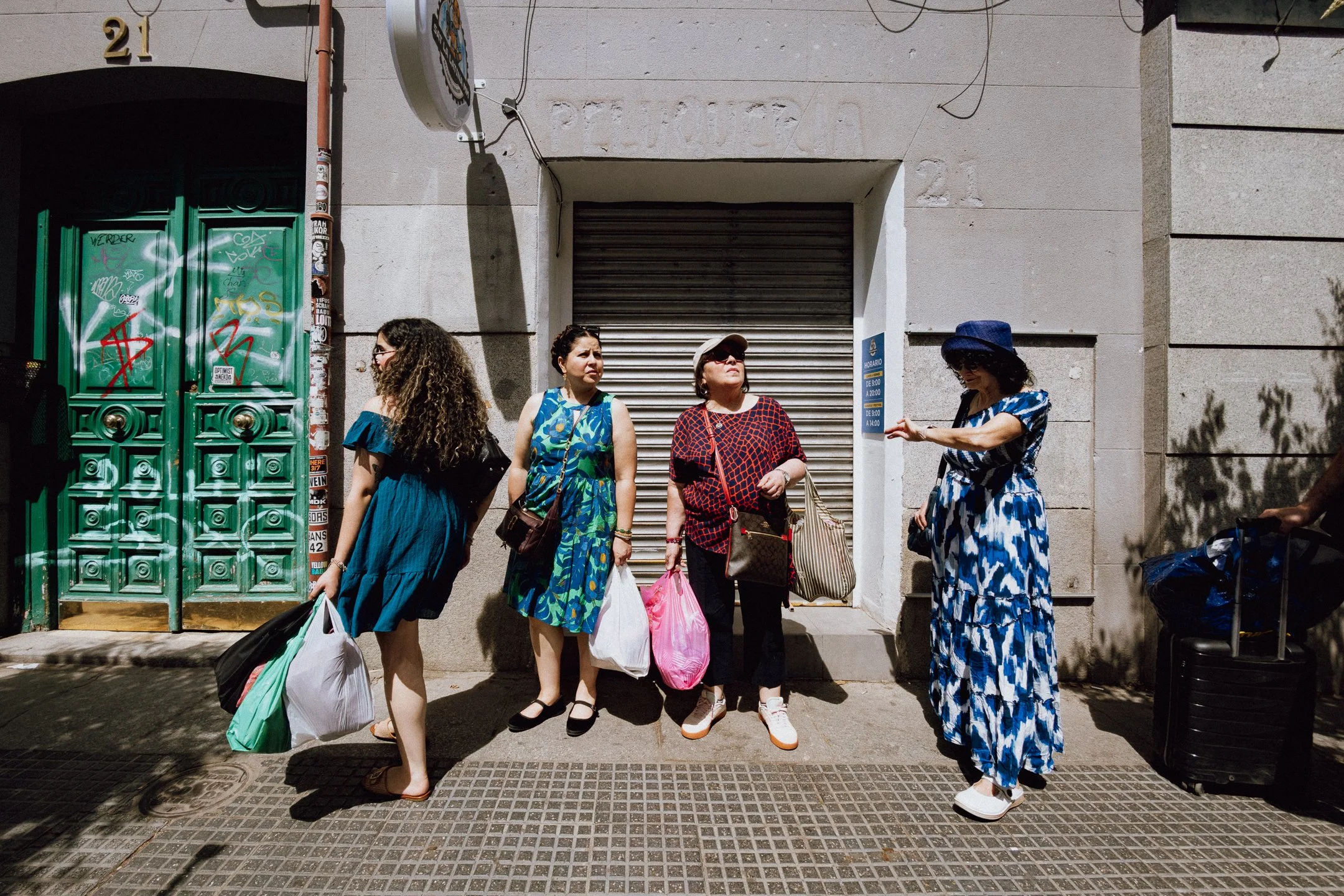
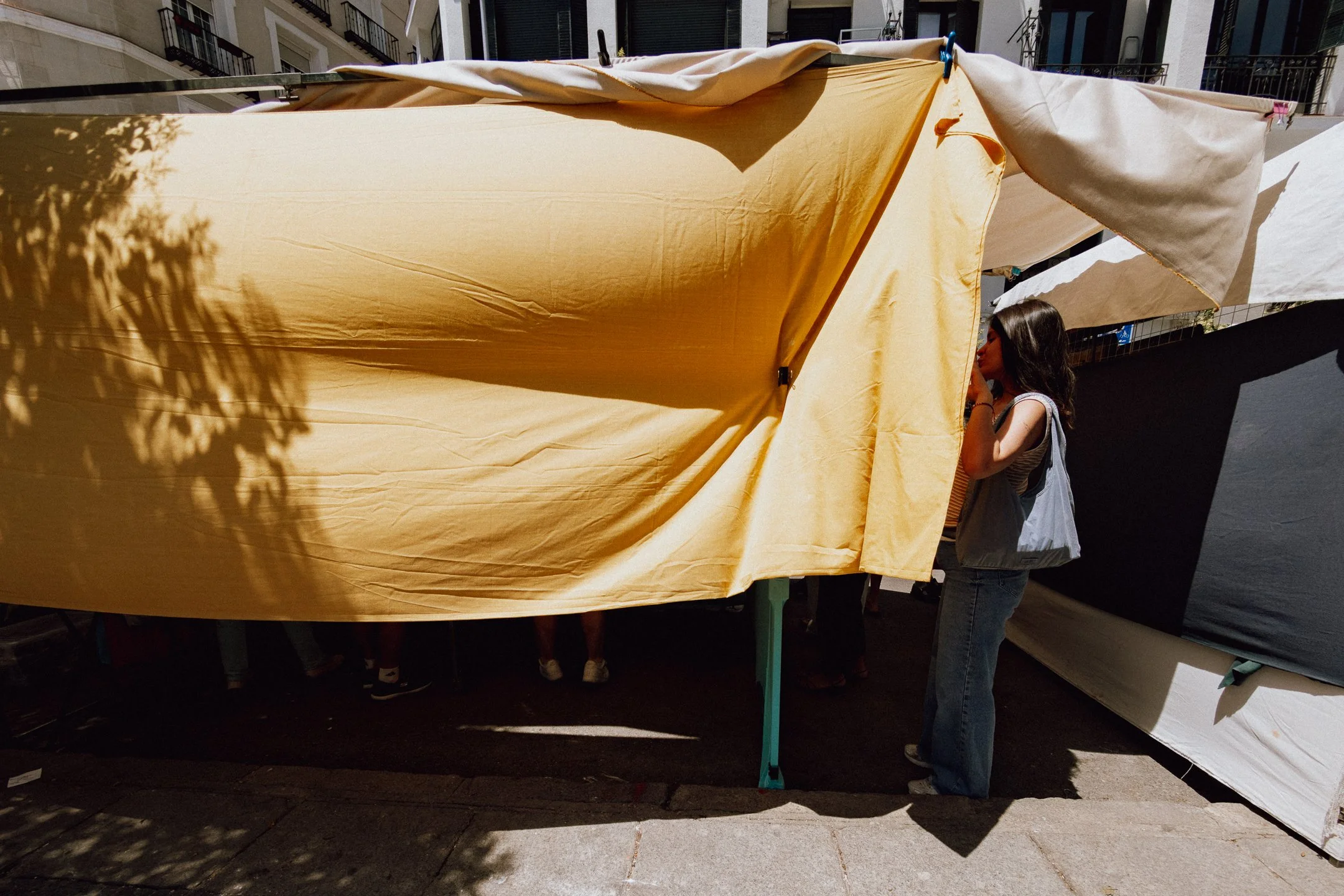
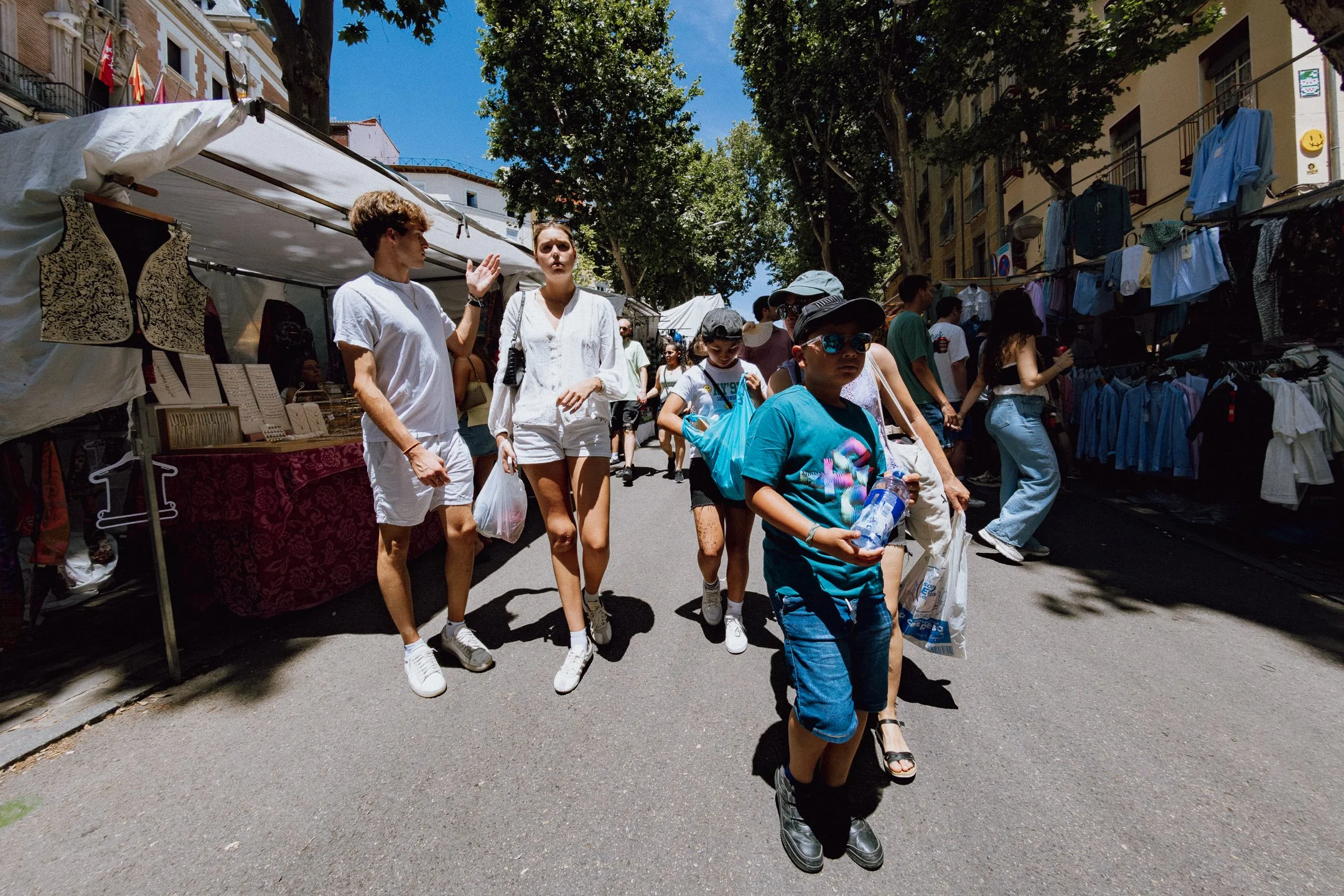
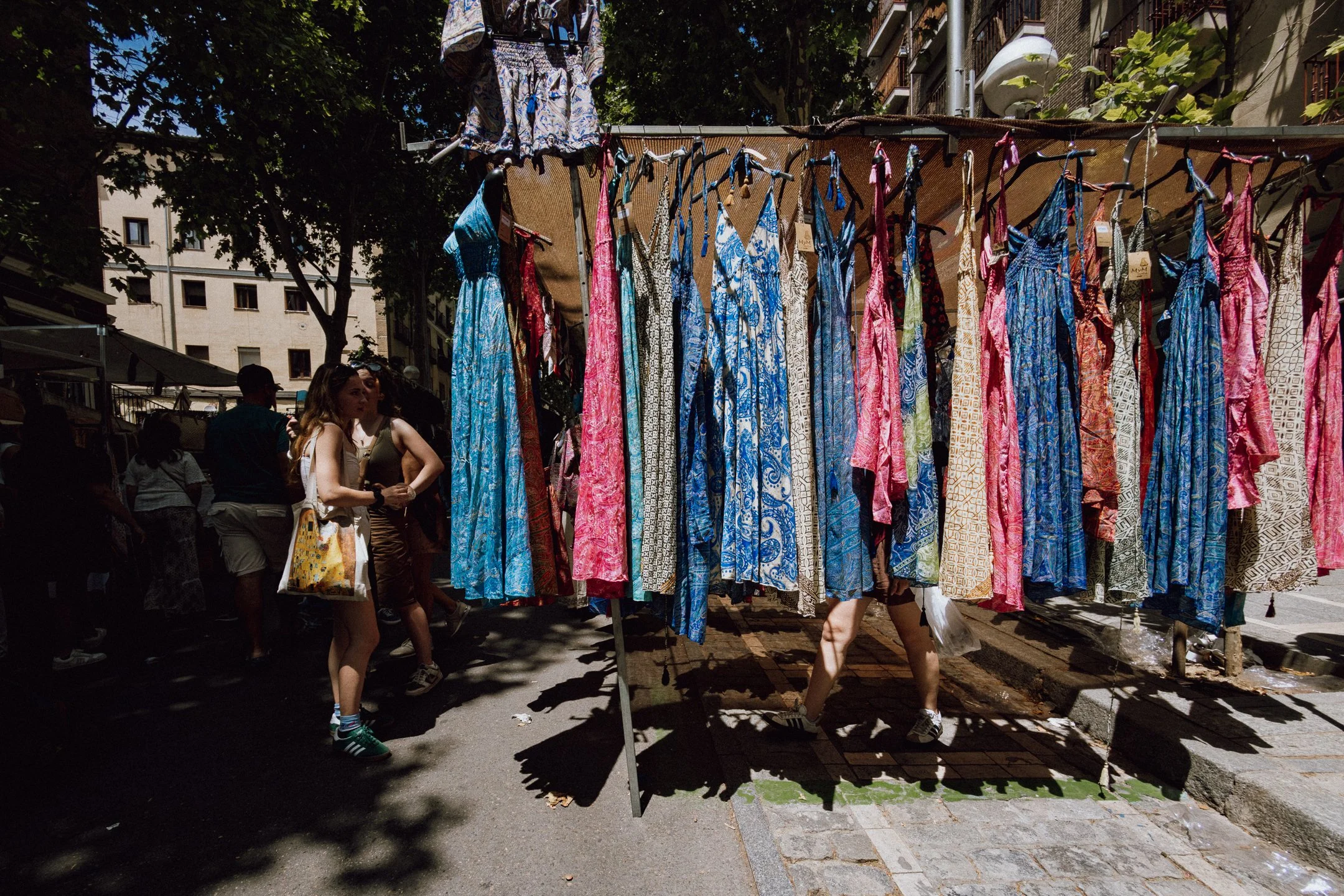
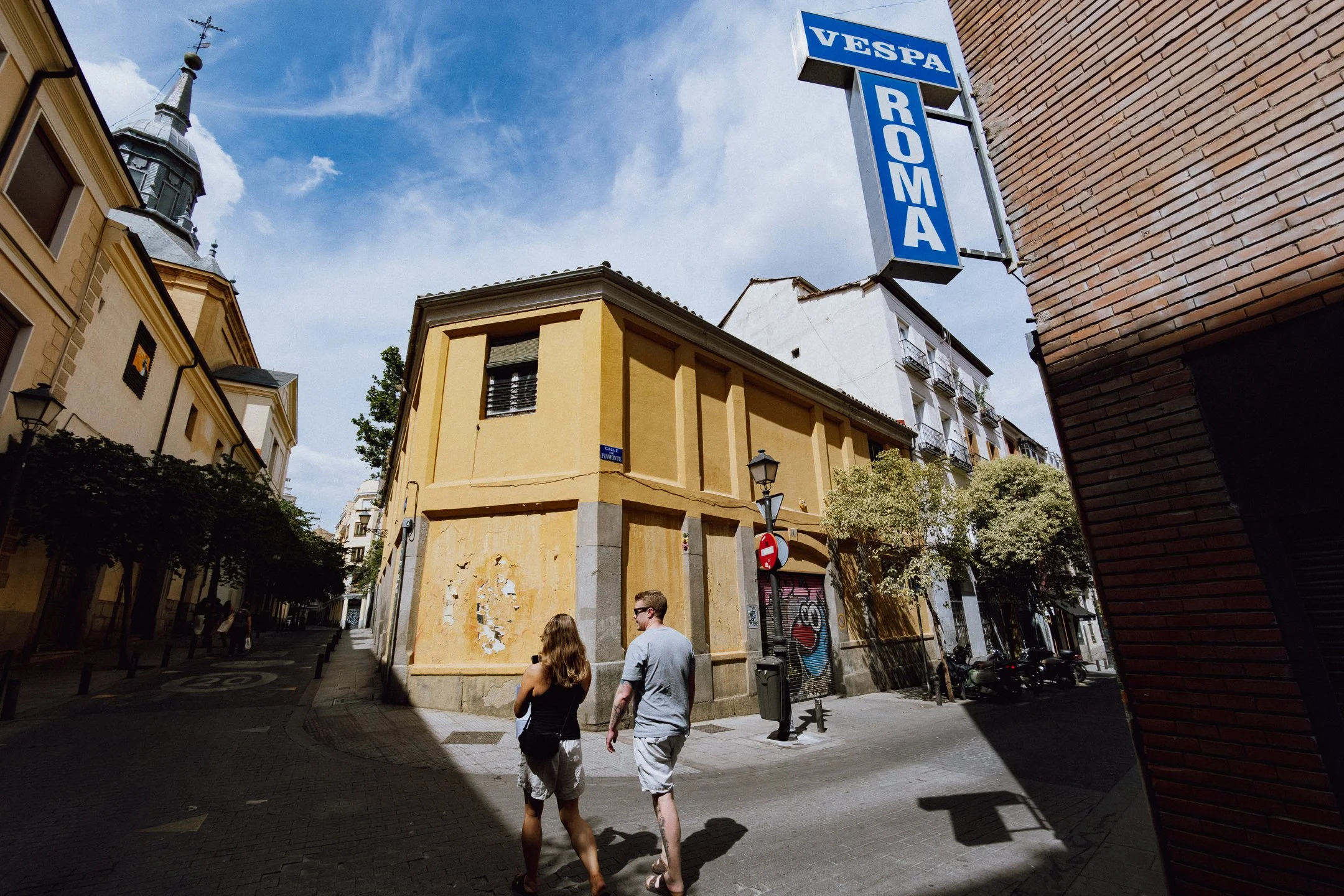
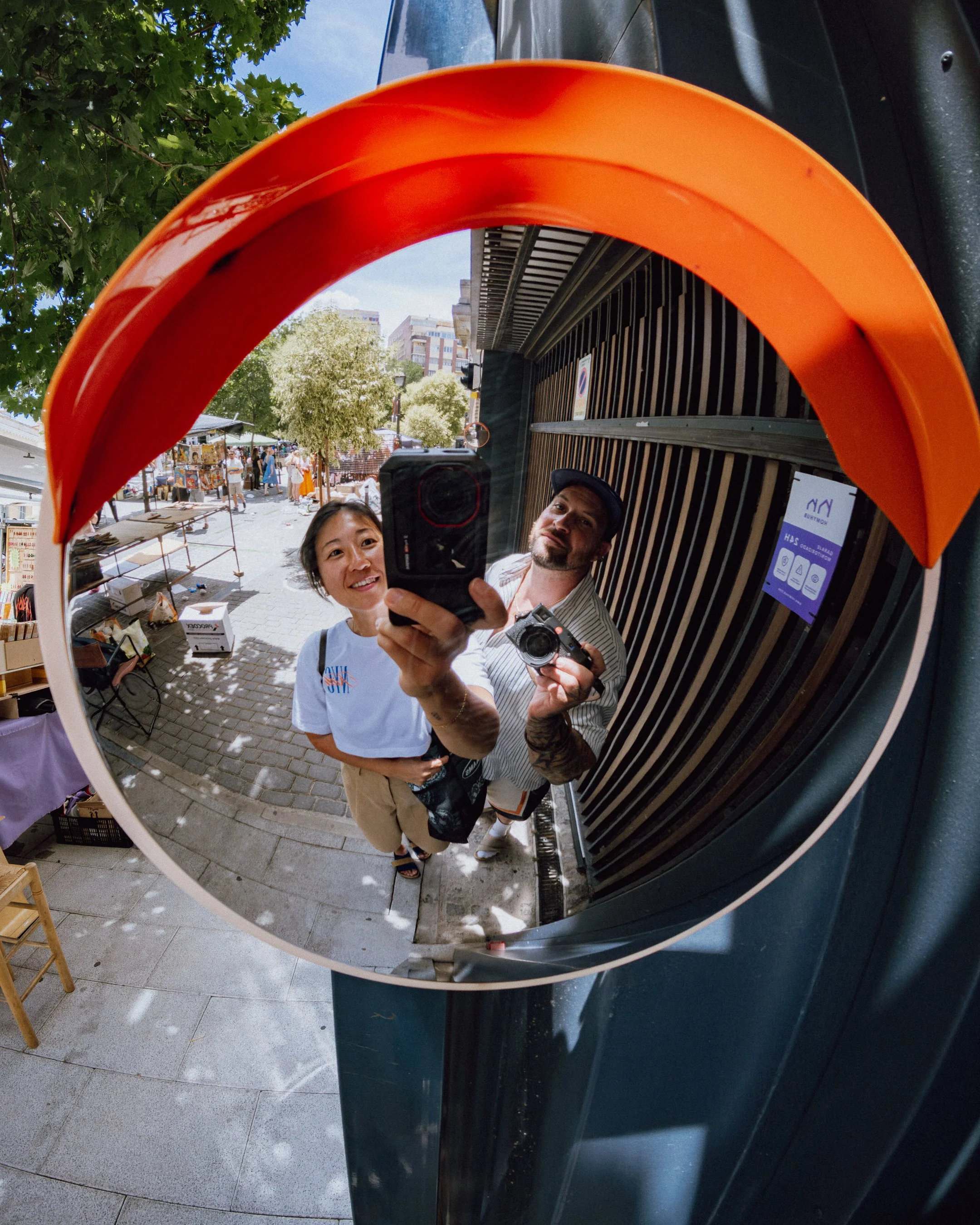
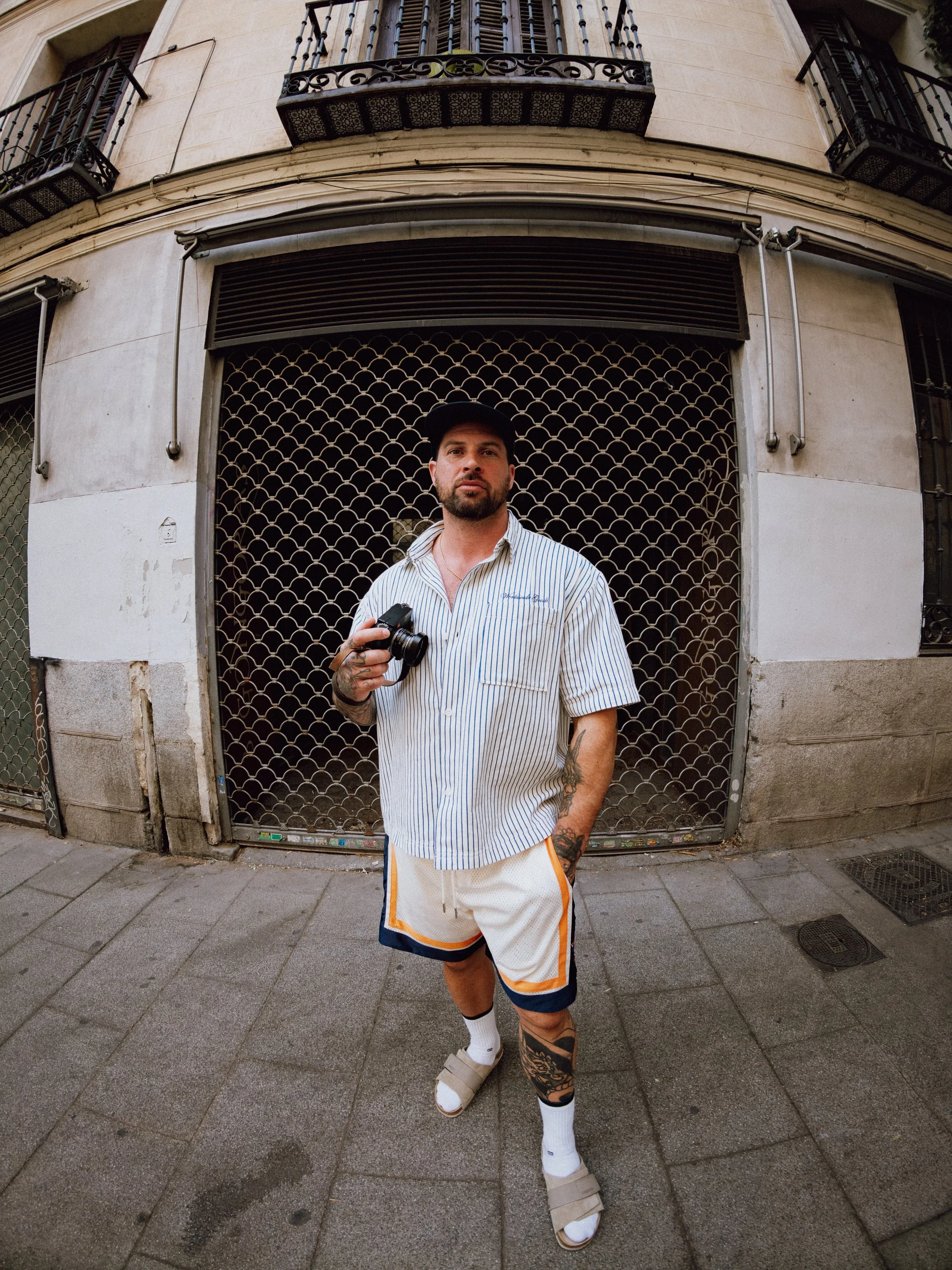
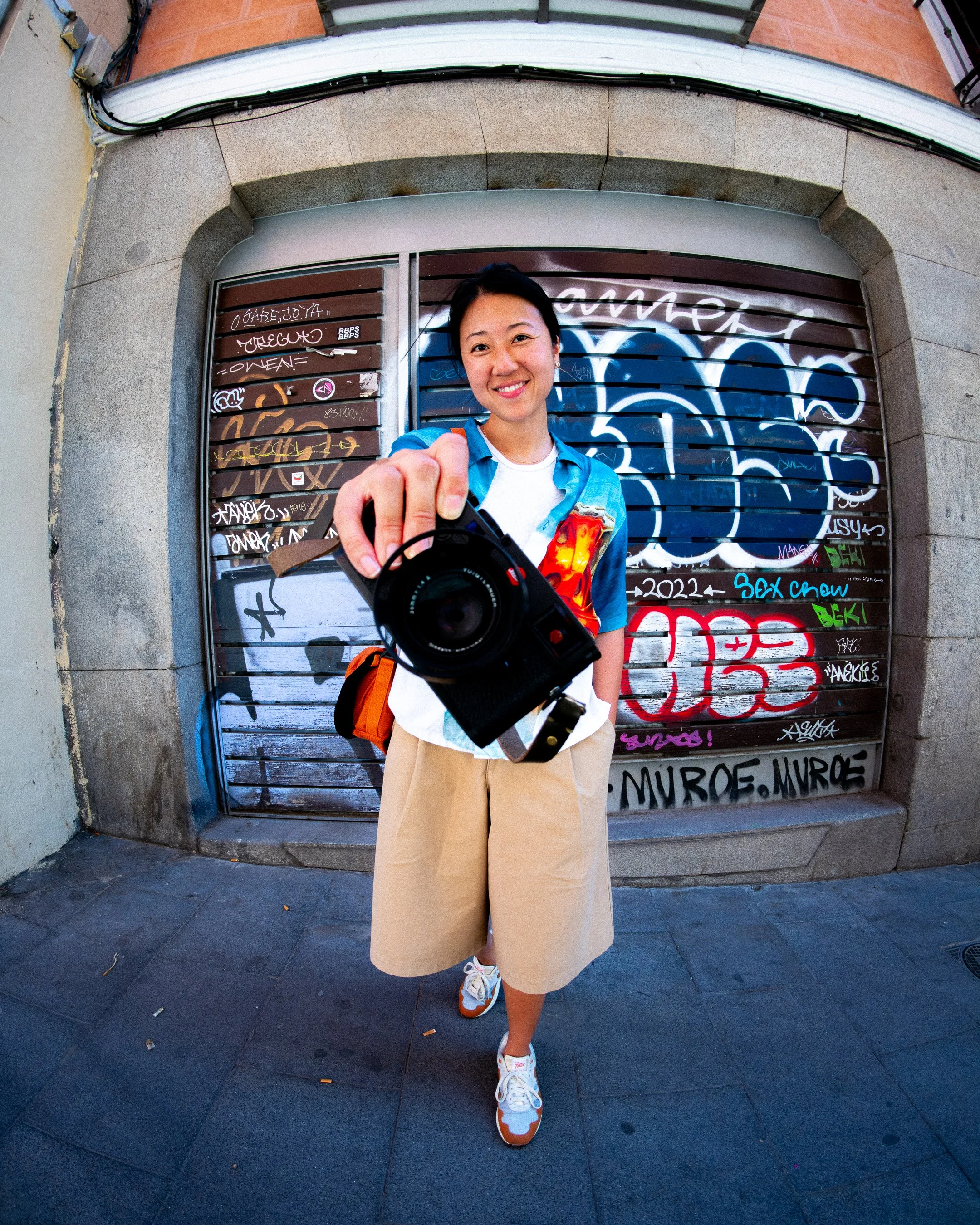
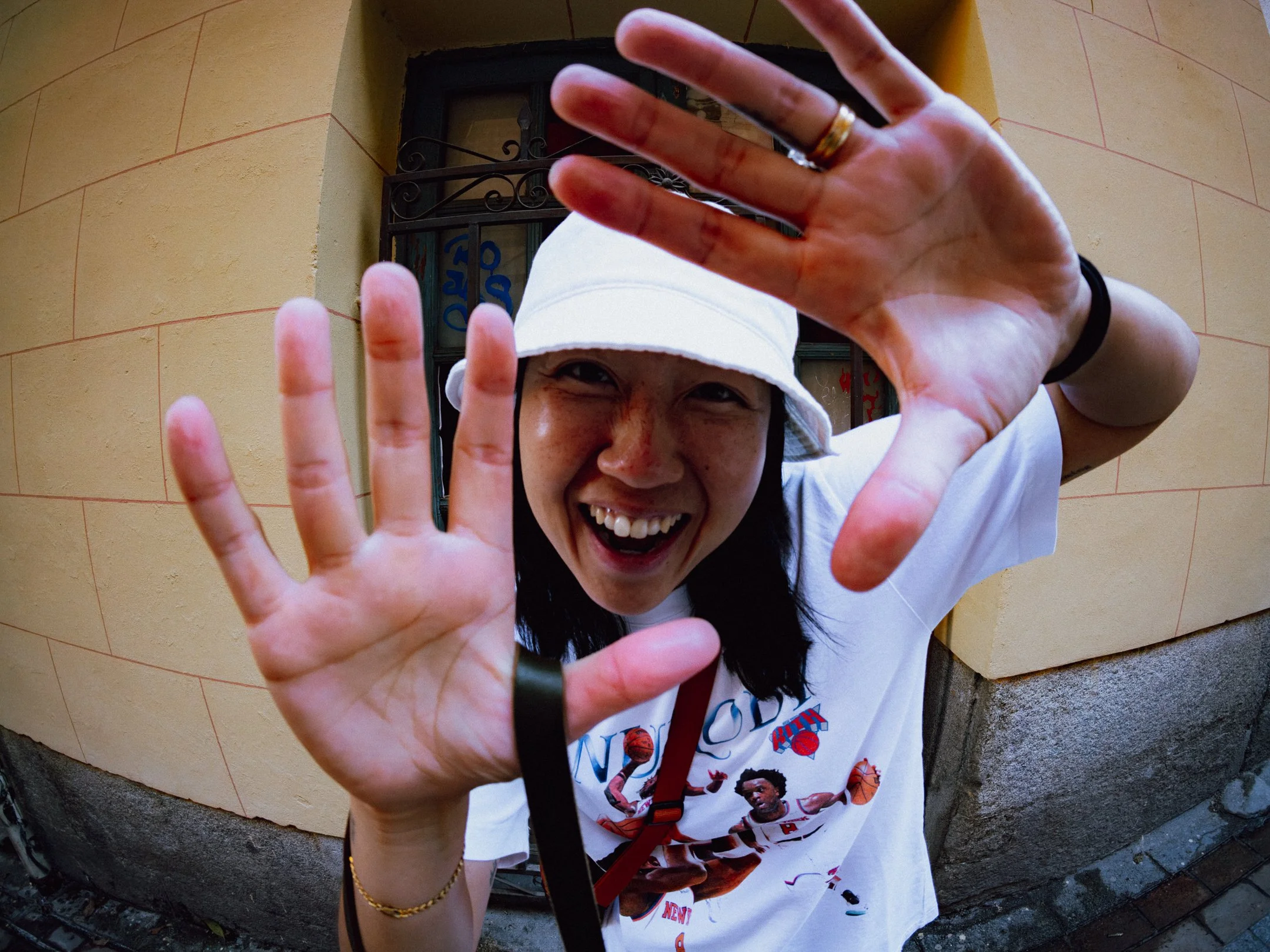
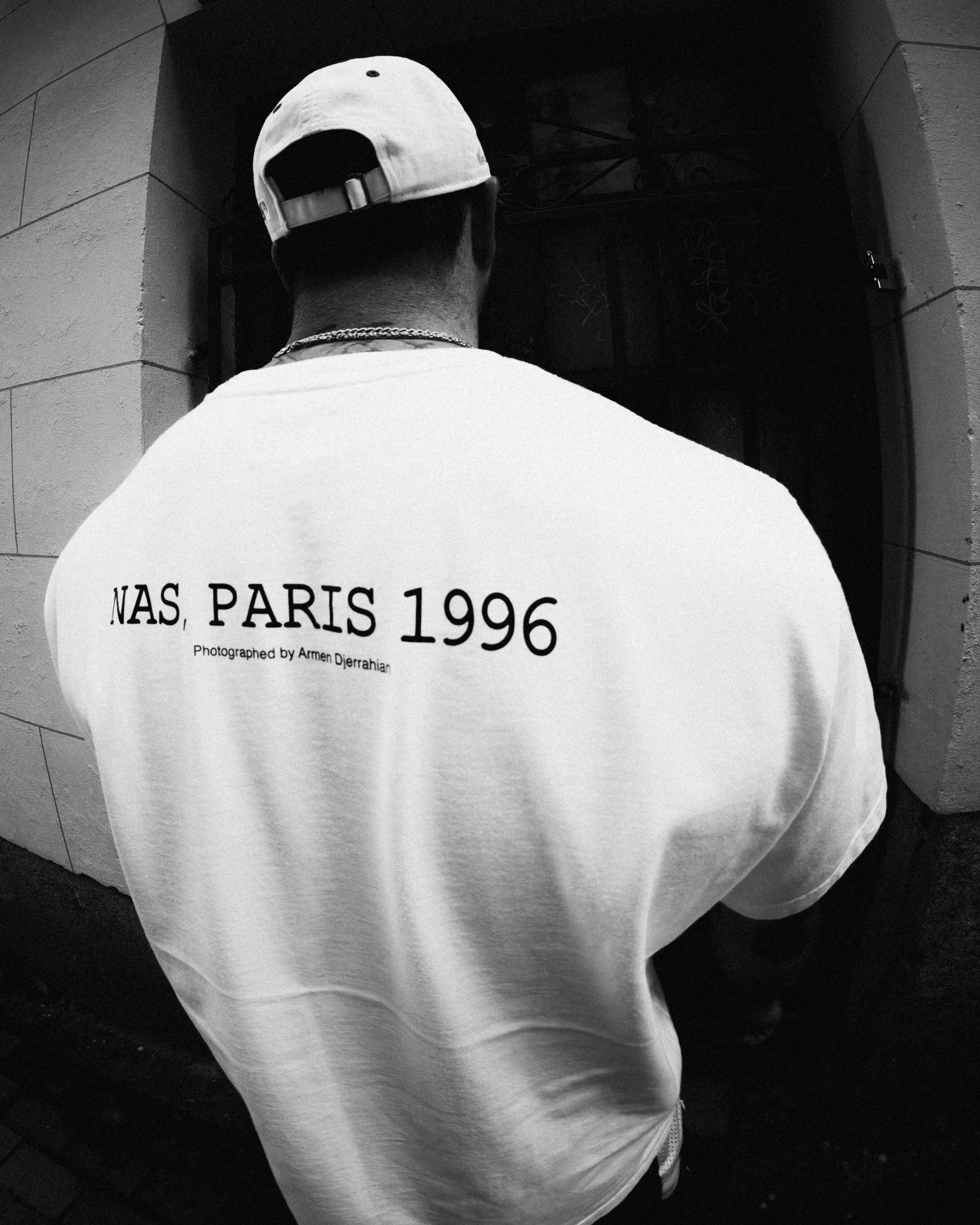
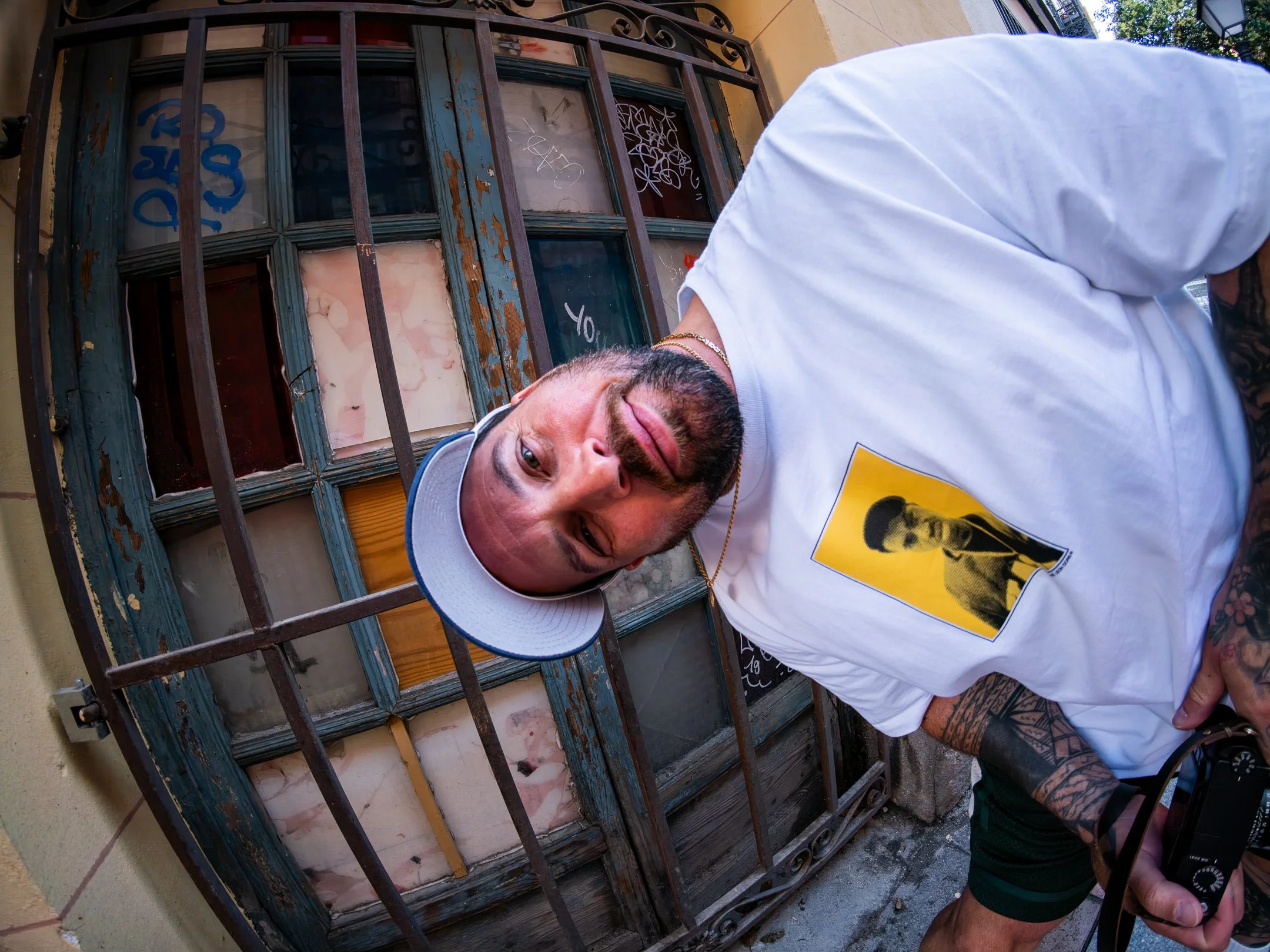
I used the Ace Pro 2 for a full day of b-roll around a Sunday market in Madrid, doing my typical street photography and vlog style shooting, and I also tried it specifically for street photography, since that's one of the use cases Insta360 was pushing pretty hard.
Street Photography: Just No
I'll say this plainly. It was bad for street photography. Not "not my style," not "took some getting used to," genuinely not a tool I'd reach for in that context. Street photography lives and dies on being able to react quickly, frame intentionally, and trust the image you're getting. The Ace Pro 2's form factor and shooting experience fight you on all three. If a company tries to sell you on this camera as a street photography tool, that's marketing, not a real use case. I would never personally use it for this again. The Ace Pro 2 uses a micro SD card, and it is very possible that the read/write speed on the micro SD card sent to me by Insta360 was not fast enough to process the 50mp images at the speed I’d want it to process for something as fast paced as street photography. This could probably be fixed by switching out the micro SD card, but that doesn’t change my opinion based on a couple other factors as well. It’s difficult to shoot with the native lens of 13mm for street photography for me personally. You can use the 2x zoom feature, which then becomes a 26mm field of view, which is a lot more usable; however, you can’t get that 26mm field of view when you edit the RAW file. The only way to keep that view is by using the JPEG file. As I typically edit most of my photos in post, it was deemed a bit pointless shooting in RAW for street photography since all of the images would be in the 13mm focal length.
Video Quality: Rougher Than I Expected
This is the part where I have to be fair to the camera because I know I'm not comparing it on equal footing. The Lumix S9 has a full-frame sensor. The Ace Pro 2 does not. So some of my disappointment here is just physics. You can't expect action-cam footage to look like full-frame footage, and this might genuinely be what most action camera footage looks like. I don't have another one to compare it to, so take this with that grain of salt.
That said, even accounting for the sensor size difference, I wasn't impressed. Low light performance is rough. It's noisy, mushy, the kind of footage where you're doing damage control in post rather than working with something you're excited about.
And the post production side is where things got genuinely frustrating. I tried color grading the I-Log footage the way I would with any other log profile, and I eventually gave up. It's not really built to be graded the way you'd grade footage from a proper camera. What actually works is using the LUTs inside the Insta360 app itself and exporting directly from there. Once I stopped fighting it and did that, the results were usable. But if you're someone who likes full control in your color pipeline, know going in that you're going to be working within their app's ecosystem, not your usual workflow.
Photos have a similar issue. The files are genuinely difficult to edit and push around. You're better off picking one of the built-in color profiles at the point of capture and just committing to it, rather than expecting to do much with the raw files afterward.
The Printer: A Real Hiccup, Then It Was Fine
Part of the collab included their printer and print bundle, so I ran some prints. The first paper cartridge I used had a defect. It was laying down blue ink splotches across prints, which was obviously not great. I swapped in a new cartridge and the issue completely cleared up, so it seems like it was a one-off bad cartridge rather than a systemic problem. Worth knowing if you go this route, if your first prints come out wrong, try a new cartridge before assuming the printer itself is faulty. The paper cartridges don’t seem that expensive compared to maybe polaroids or getting photos printed in general. My opinion might be skewed a bit because we live in a world now, where it seems like everything is just expensive, so $10 for paper cartridges that prints 20 photos doesn’t seem all too bad.
Where It Actually Shines
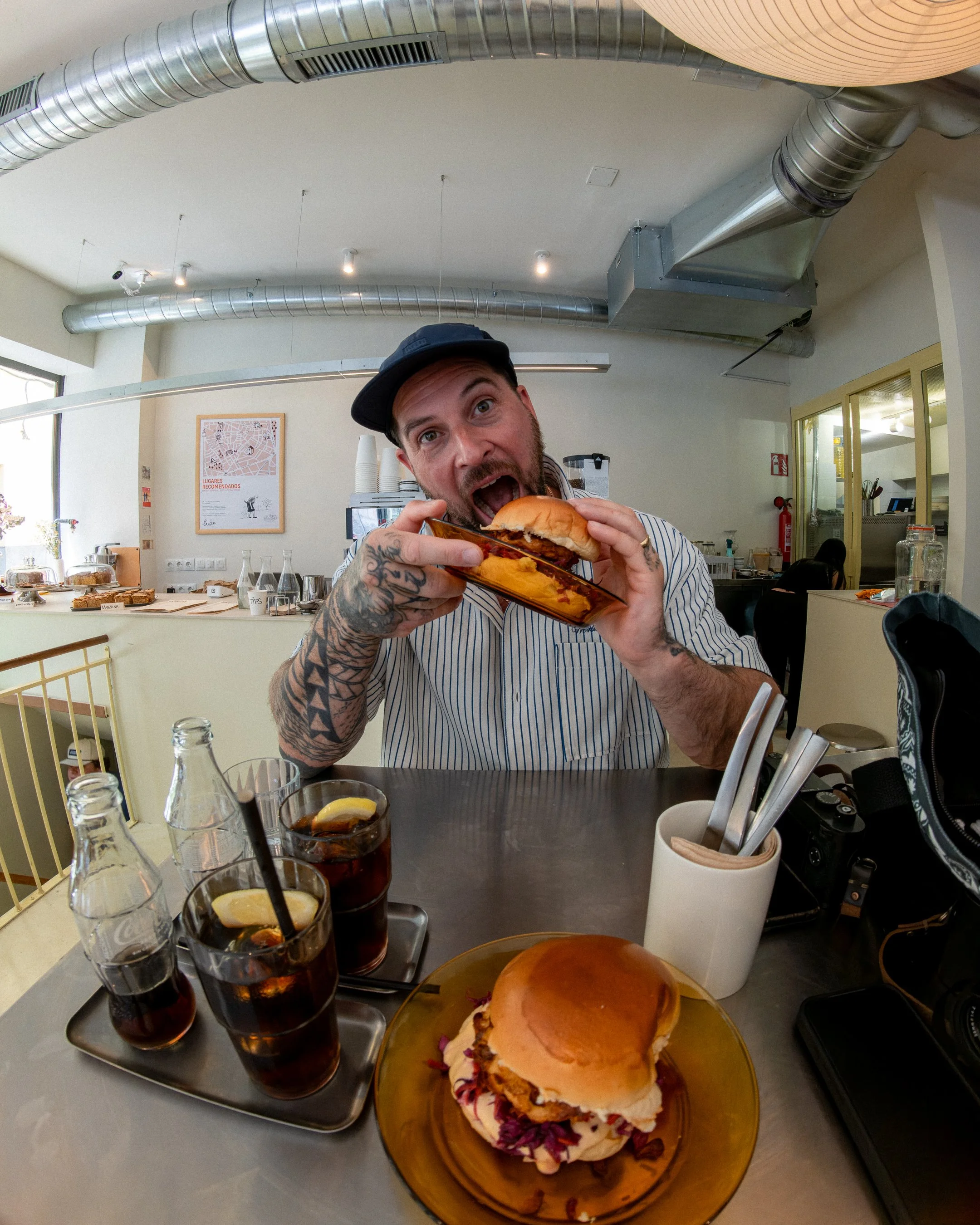
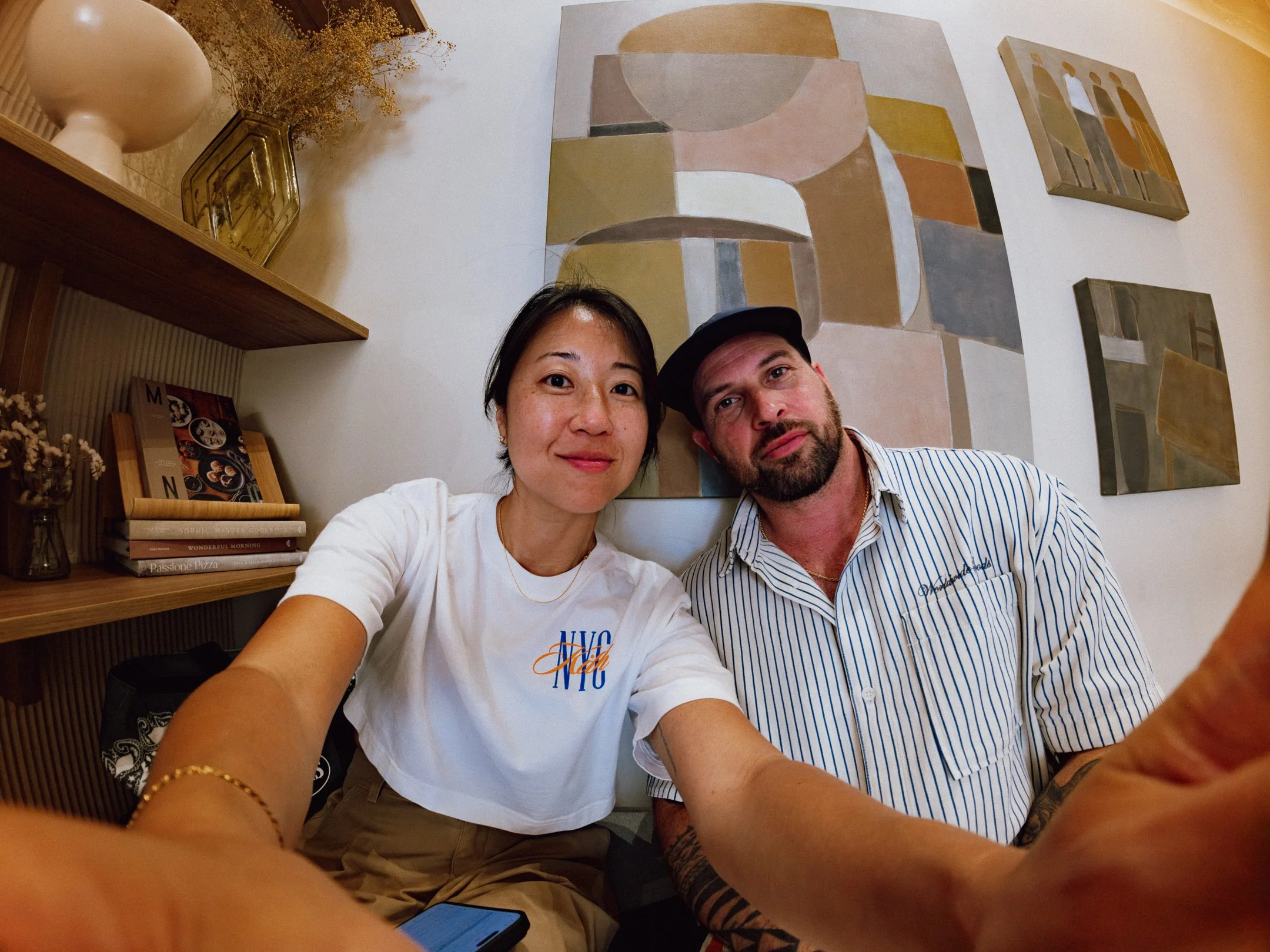
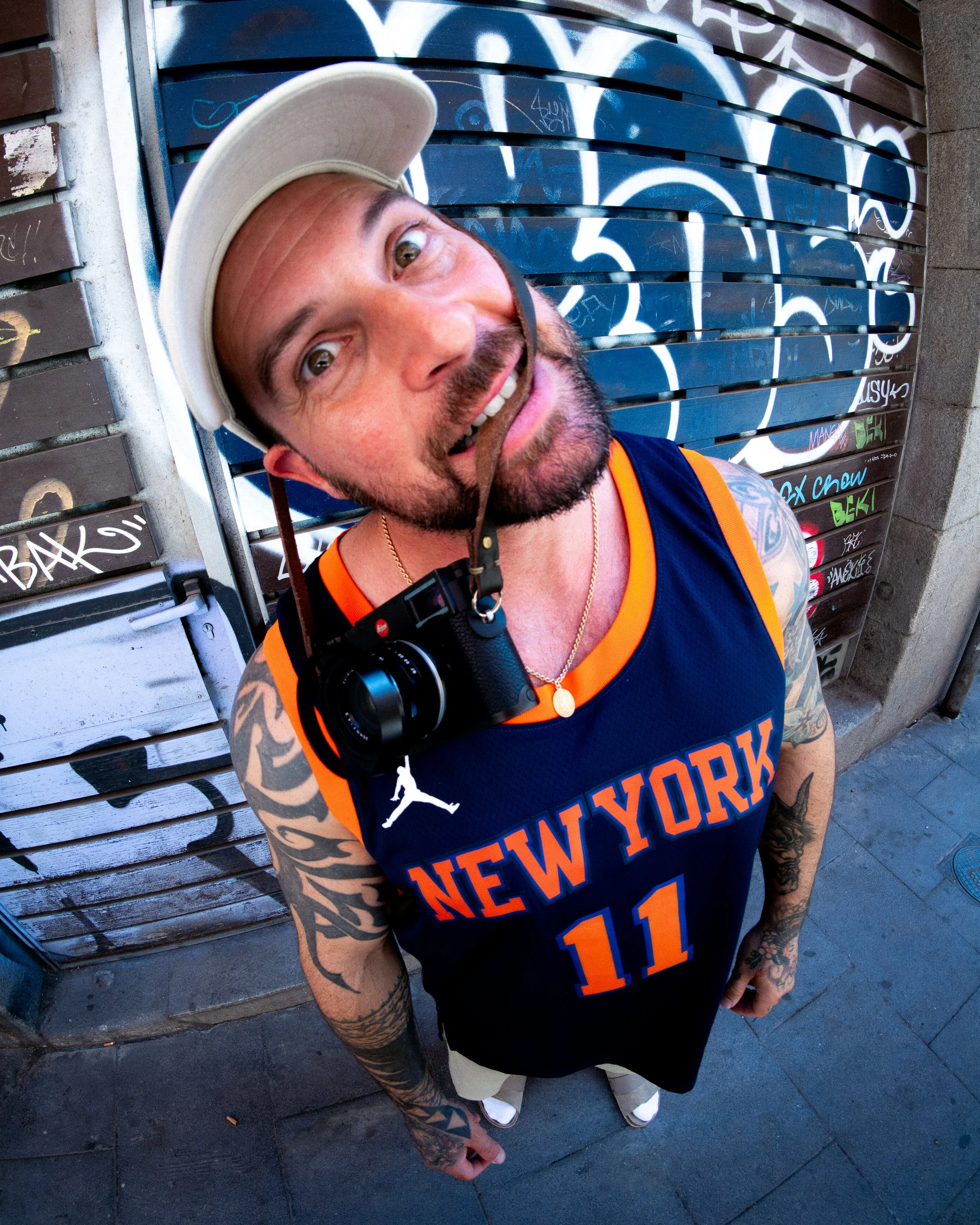
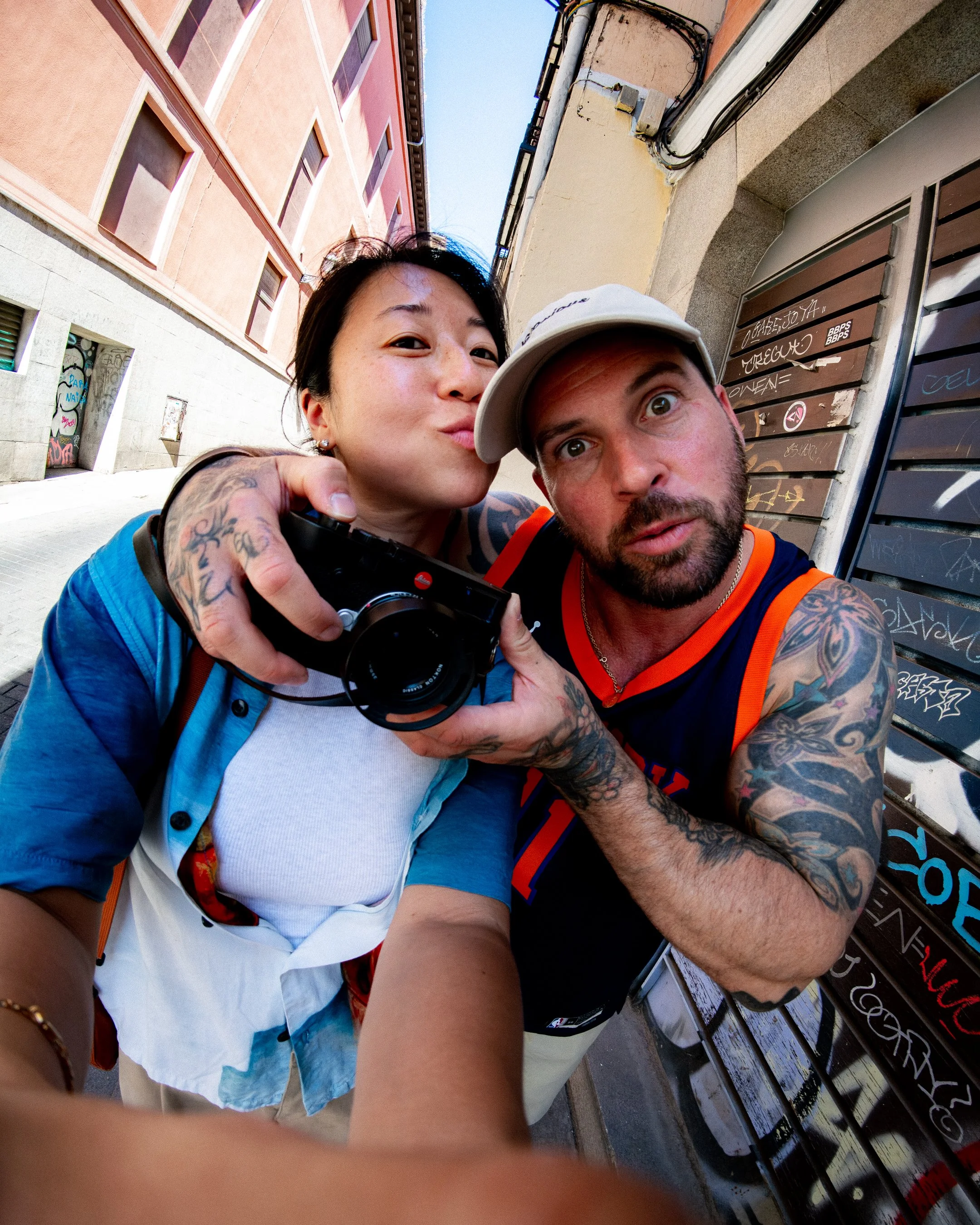
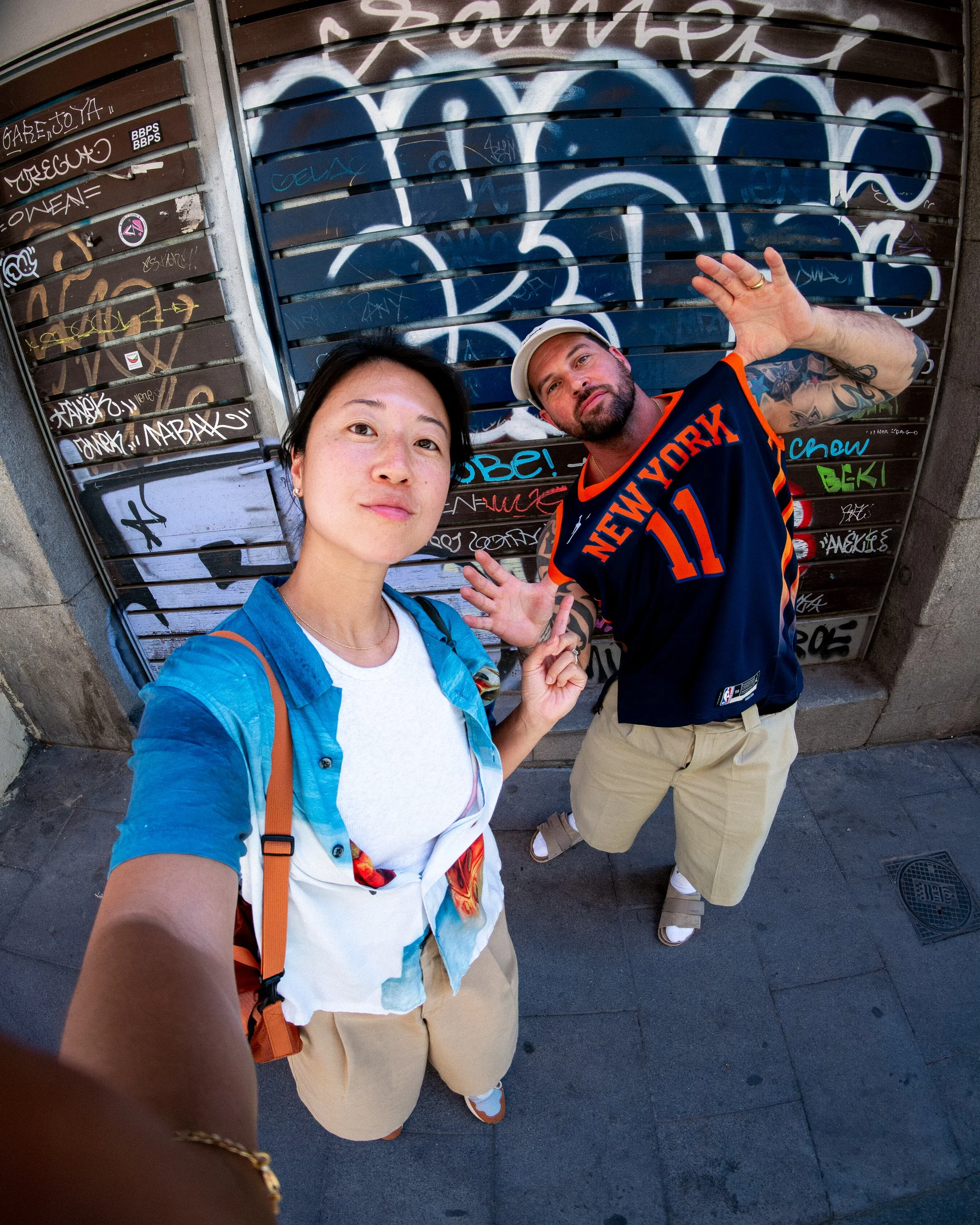
Here's the part that surprised me, and honestly the part I think is the real story of this camera: it's genuinely good as a fun, memory first camera. My partner and I ended up using it to take silly, low stakes photos of each other and printing them out immediately with the printer, basically a Polaroid experience. We have a professional Canon printer at home, but we tend to be a bit picky on what we end up printing because the ink can get expensive. So naturally, we don’t end up printing every day photos that are stored as memories even though we probably should print more of those. Using the Ace Pro 2 printer gave us the opportunity to print fun photos on the go, and it felt really nice knowing we have these pocket sized images that I can either throw in my wallet, journal or even give to family or friends to put up on their fridge.
That's a real use case. It's not the one Insta360 was pushing (street photography centric), but it's the one that actually stuck with us after the shoot was over. There's something nice about a camera that's low pressure enough that you're not thinking about settings. You're just capturing a moment and holding a printed version of it minutes later.



To Be Fair, Action Cameras Aren't Really Built for My Workflow
I want to be clear about something before I get to my verdict: none of this means the Ace Pro 2 is a bad camera. It means it's not built for how I personally shoot.
Action cameras exist for reasons that have nothing to do with image quality on paper: convenience, durability, size, and getting a camera into places a full-frame setup just can't go. If you're mounting something to a car dash, strapping it to a helmet for a ski run, or bringing a camera surfing, an action camera isn't a compromise, it's the right tool. The size alone is a feature. I don't have many gripes with using the S9 for video most of the time, so I'm not really the target user for what this camera does best.
The one place I can see myself genuinely wanting something like this is street POV videos, the walk and talk, first person style content some creators do really well. I don't currently make that kind of video, but if I ever start, I have a feeling my opinion on the Ace Pro 2 would shift quite a bit. A lot of what frustrated me here (grading limitations, low light, the form factor) matters a lot less when the whole point of the shot is "you are here" immersion rather than a polished, gradable frame. So take my video complaints with the context that I'm judging it against a use case it wasn't really designed for.
A Use Case I Didn't Expect: Documenting Family and Friends
There's one more thing I want to mention, because it came up more as I sat with the camera than it did while I was actually shooting the review content.
A full frame camera pointed at people, even people who know and trust you, changes the room a little. I've noticed that with certain friends and family members, having something like the Leica M10 or the Lumix S9 up and running makes them a bit more self conscious, a bit more aware that they're "on camera," and less like themselves. It's not anyone's fault, it's just a natural reaction to a serious looking piece of gear being pointed at you.
The Ace Pro 2 doesn't really trigger that same response. It's small, it's unassuming, and it's easy to set down on a kitchen counter or the middle of a table and basically forget about while it records whatever's happening. I think there's real value in that. I want to start using it more to just capture normal moments with the people I care about, not a produced video, just life happening, so I have a backlog of footage I can actually look back on someday.
I know the obvious answer here is "just use your iPhone," and honestly, that's fair. But I'll be the first to admit I rarely grab my phone to record anything in the moment. I've tried to build that habit and the muscle memory just isn't there yet. Having the Ace Pro 2 as a dedicated, low pressure camera sitting nearby might actually make it easier to build that habit than my phone has, if only because it's a physical object whose entire purpose is to record, rather than a device I associate with texting and scrolling. My plan going forward is to try using it alongside my iPhone as a way to document life and the people in it more casually. That's a genuinely different goal than anything Insta360 pitched it for, but it might end up being the use case that sticks.
Will I Actually Use It Going Forward?
For actual content, probably not much. Given my hesitation on the video quality for my specific style of shooting, I'm not confident I'll reach for it often for b-roll or anything I'm publishing. But outside of content, I do think it'll get more use than I initially expected, mainly for the family and friends documentation angle above. It's more likely to live in the "capturing life as it happens" category than the "content for my channel" category, and I'm okay with that.
Would I Buy It Myself?
No. And I think that's the most useful thing I can tell you. It's a good tool to have sent to you for free, and I don't regret the collab or the time I spent with it. But if I were spending my own money, I wouldn't go out of my way to buy the Ace Pro 2. That's not a knock on Insta360 as a company. The printer bundle and the fun-photo use case genuinely won me over in a way I didn't expect. It's just not the tool for the way I actually shoot right now.
Bottom Line
If you're weighing this camera as a serious video or photography tool to sit alongside a full-frame setup, manage your expectations. Low light is weak, the footage is hard to grade outside their own app, and street photography is not where this camera lives. But if you're someone who does sports, POV, or car content, or you just want something small, durable, and convenient, this is in its lane, and my complaints probably won't apply to you the same way. And if you're looking for something to capture fun moments with people you care about and print them out on the spot, that's where the Ace Pro 2 and its print bundle actually earned my trust. Just know which one you're buying it for.